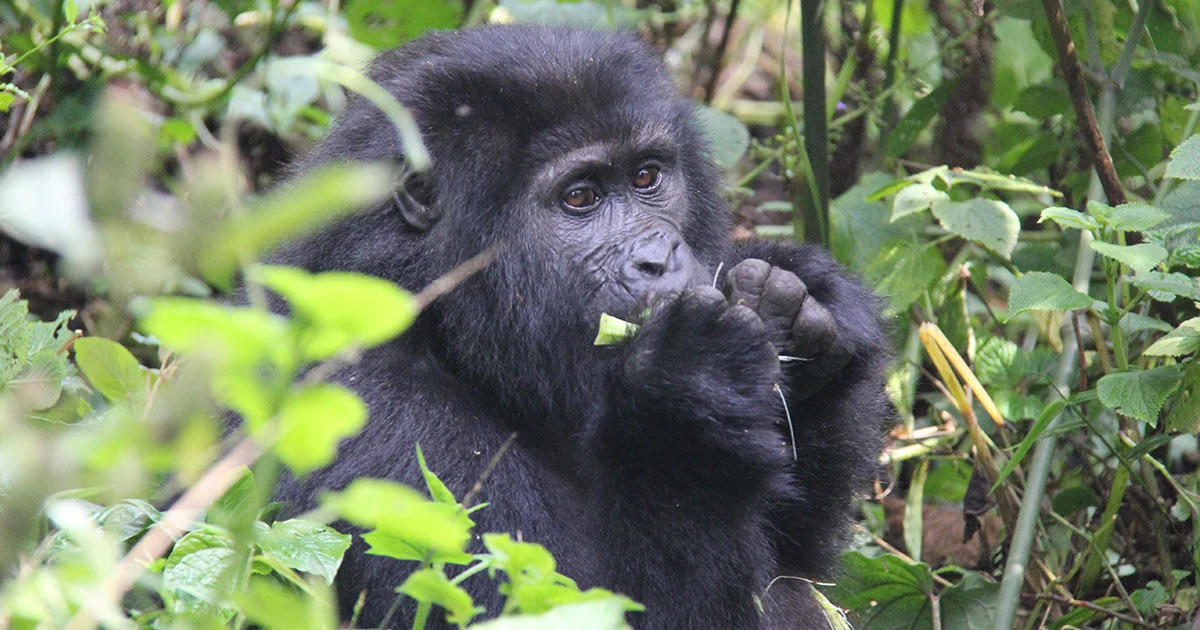
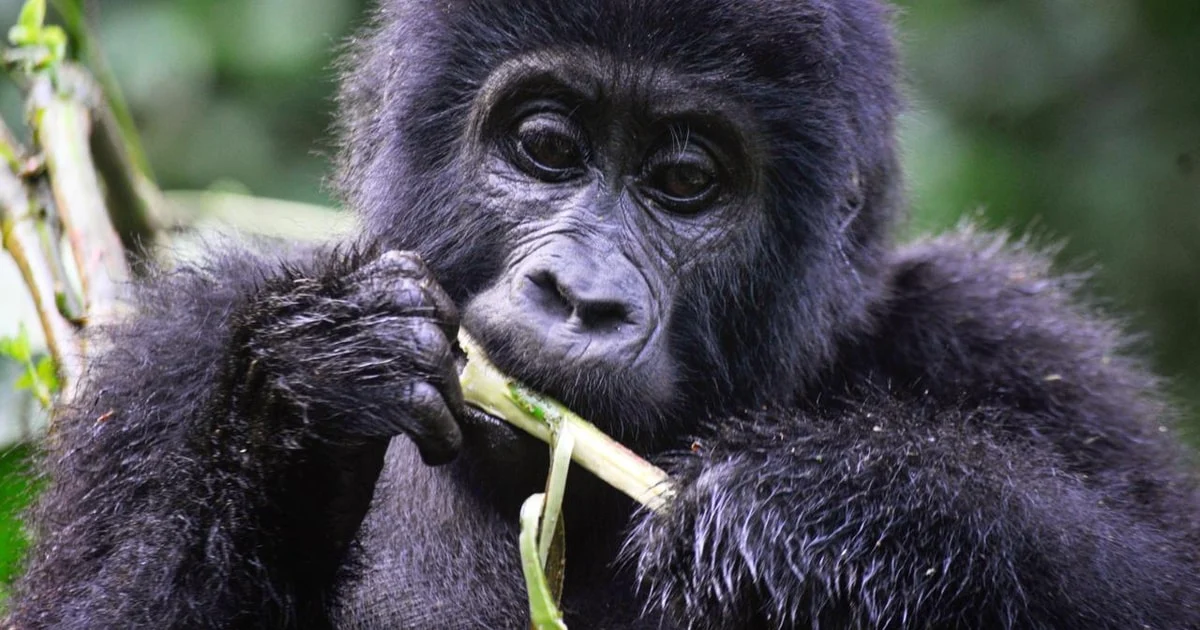
The best time to visit Uganda for safaris is June through August (long dry season) and December through February (short dry season). These months offer the driest trails for gorilla trekking, the highest wildlife concentrations in Queen Elizabeth and Murchison Falls National Parks, and the most comfortable weather across all Uganda safari destinations. For budget travelers, April, May, and November offer discounted gorilla permits at $600 USD and significantly lower lodge rates.

Why Timing Changes Everything on a Uganda Safari
In over a decade of organizing Uganda gorilla safaris for travelers from Around the world; York, London, Toronto, Amsterdam, name it, there is one question that lands in my inbox every single week without fail:
“Joseph, when is the best time to visit Uganda for a safari?”
I love this question. Not because it has a simple answer, but because it opens a conversation that shapes someone’s most meaningful travel experience of their life. I have watched grown men from California break down in quiet tears after their first hour with mountain gorillas in Bwindi Impenetrable National Park. I have seen retired couples from Edinburgh stand speechless as 400 hippos churned the Kazinga Channel at sunset in Queen Elizabeth National Park. Uganda does something to people that the Serengeti and the Masai Mara simply cannot replicate.
But the timing of when you arrive changes the story entirely.
Uganda, the “Pearl of Africa,” sits directly on the equator in East Africa. Unlike Kruger or the Serengeti, which run on a single dominant dry season, Uganda operates on two dry seasons and two wet seasons every year. This gives travelers far more flexibility than most East African destinations, but it also creates genuine complexity when it comes to planning. The wrong timing does not ruin a Uganda safari, but the right timing transforms it from excellent to once-in-a-lifetime.
Let me tell you exactly what I tell every client who sits across from me in Kampala.
Understanding Uganda’s Safari Seasons
Uganda’s equatorial location means temperatures remain stable and comfortable year-round, typically ranging between 20°C and 30°C (68°F to 86°F). What changes dramatically between months is rainfall, and rainfall is the single most important factor shaping every aspect of your Uganda wildlife safari experience.
The Long Dry Season: June to August (Peak Season)
This is the crown jewel of Uganda’s safari calendar. Rainfall drops sharply across all national parks. Forest trails in Bwindi Impenetrable National Park firm up and become dramatically more manageable. Animals across the savannah parks, Queen Elizabeth, Murchison Falls, and Kidepo Valley, converge around permanent water sources as seasonal watering holes dry up, making game drives extraordinarily productive.
I organize the majority of my gorilla treks during June, July, and August. Not because the other seasons are poor, far from it, but because clients from the US and Europe can align with Northern Hemisphere summer school holidays, and the all-round conditions are simply exceptional. This is the most popular window, which means gorilla permits at Bwindi’s Buhoma and Rushaga sectors sell out six to ten months ahead. Book early.
The Short Dry Season: December to February (My Personal Favourite)
My personal recommendation for sustainable experienced safari travelers, honeymooners, and photographers seeking a more intimate experience. Crowds ease significantly compared to peak July and August. January and February in particular deliver dry season conditions that rival the long dry season: excellent wildlife viewing, firm gorilla trekking trails, and that extraordinary golden afternoon light over the savannah that makes every photograph appear professionally taken. Migratory bird species from Europe and Asia are fully settled and present. And there is something deeply beautiful about Uganda in early January, perhaps the clarity of the air after months of rain, or the sense of renewal across the landscape.
The Long Rains: March to May (Green Season)
Uganda’s heaviest rainfall falls across these three months. I will be honest: I do not recommend this window to first-time visitors primarily motivated by comfortable gorilla trekking. The trails in Bwindi can be genuinely demanding, steep, slippery, and physical in ways that surprise even fit travelers.
But here is what I tell my repeat clients and serious wildlife photographers: April in Uganda is extraordinary. The landscape turns an intensity of green that almost hurts to look at. The parks are empty, just you, the wildlife, and the silence. The bird watching reaches some of the finest levels on the entire African continent. And the Uganda safari package prices are significantly lower. I have sent skeptical clients to Uganda in April who came home saying it was the best safari of their lives. This is a green season Uganda that most tourists never experience.
The Short Rains: October to November (Shoulder Season)
A shorter and generally lighter rainy period. October is transitional and unpredictable. November is wetter but offers the same green season advantages: lower accommodation prices, outstanding birding as Afro-Palearctic migratory species begin arriving from Europe, and an intimacy with the wilderness that peak season simply cannot replicate.

Uganda Safari Season Quick-Reference Table
| Travel Goal | Best Months | Why It Works |
| Overall best safari experience | June, July, August | Peak conditions across gorillas, game drives, weather |
| Gorilla trekking (optimal) | June–Sept, Dec–Feb | Dry trails, predictable gorilla movement, manageable terrain |
| Wildlife game drives | June–Aug, Jan–Feb | Animals concentrated at water sources |
| Bird watching safari | November–April | Migratory species present, breeding plumage |
| Photography safari (wildlife) | June–August | Golden light, visible wildlife, clear skies |
| Photography safari (landscapes) | April–May | Lush green, dramatic storm skies, breeding birds |
| Budget / value travel | April, May, November | $600 permits + 25–40% lodge discounts |
| Honeymoon | February | Dry, intimate, less crowded, combine with Lake Bunyonyi |
| First-time visitors | July or August | Foolproof conditions, everything peaks simultaneously |
| Experienced safari travelers | January or February | Dry season quality with fewer crowds |
Best Time for Gorilla Trekking in Uganda
Gorilla trekking in Uganda is the reason most of my international clients make the journey in the first place, and getting the timing right matters more for this activity than any other on your itinerary.
Mountain gorilla trekking takes place in Bwindi Impenetrable National Park and Mgahinga Gorilla National Park, both in southwestern Uganda near the borders with Rwanda and the Democratic Republic of Congo. Bwindi alone protects over half the world’s remaining mountain gorilla population across four trekking sectors: Buhoma, Ruhija, Rushaga, and Nkuringo.
When you walk into that ancient, cathedral-like rainforest and find yourself ten meters from a 200-kilogram silverback going calmly about his morning, I promise you, nothing in a lifetime of travel compares.
Best Months for Gorilla Trekking
June through September and December through February are the optimal windows. During dry season gorilla trekking:
- Bwindi’s notoriously steep trails are firmer and dramatically more manageable underfoot
- Gorilla families move more predictably, average trek time to locate them shortens significantly
- Forest undergrowth is less dense, improving both visibility and photography once you find the gorillas
- Morning trek briefings begin under clear skies rather than rain-soaked uncertainty
- The drive from your lodge to the park trailhead is comfortable on dry roads
Gorilla Trekking in the Wet Season, An Honest Assessment
We run gorilla treks year-round at Valiant Safaris, including through the rainy season, because the gorillas are always there regardless of rainfall. They live in the forest. But I always prepare wet season clients honestly: expect longer treks on wet, slippery trails, with steeper physical demands.
For fit, adventurous travelers who want to save money and don’t mind a challenge, wet season gorilla trekking is genuinely rewarding and deeply memorable. For older travelers, those with knee or joint concerns, or anyone doing their first-ever gorilla trek, I strongly recommend dry season. It is simply more comfortable, more reliable, and more likely to deliver the experience you have planned and dreamed about.
2026 Uganda Gorilla Trekking Permit Costs
All prices set by Uganda Wildlife Authority (UWA) and verified June 2026:
| Traveler Category | Peak Season | Low Season (Apr, May, Nov) |
| Foreign Non-Residents | $800 USD | $600 USD |
| Foreign Residents | $700 USD | $600 USD |
| East African Citizens | $80 USD | $80 USD |
Gorilla Habituation Experience (Rushaga sector only): $1,500 USD, allows 4 hours with a semi-habituated gorilla family instead of the standard 1 hour. In my professional opinion, this is one of the most extraordinary wildlife experiences available anywhere on earth.
Booking note: As of March 2026, UWA requires full payment at time of booking, no reservation holds. For June–September peak season travel, permit availability in popular sectors like Buhoma and Rushaga is typically exhausted 6–10 months ahead. Valiant Safaris handles all permit booking as part of every gorilla safari package.
Best Time for Wildlife Safaris in Uganda’s National Parks
Murchison Falls National Park
Uganda’s largest national park delivers some of East Africa’s most spectacular game viewing during January, February, July, and August. As water sources dry up, Rothschild giraffes, massive elephant herds, lions, leopards, buffalos, and hippos in extraordinary numbers congregate along the Victoria Nile.
The iconic boat cruise from Paraa to the base of Murchison Falls, where the entire Victoria Nile forces itself through a seven-meter gap in solid rock, runs year-round but reaches peak spectacle during dry season when wildlife pack the riverbank in extraordinary numbers. I have had clients who rated this boat cruise as the most dramatic wildlife experience of their lives, and these were experienced Africa travelers who had visited the Okavango Delta and the Serengeti.
Best months: January, February, July, August.
Queen Elizabeth National Park
Uganda’s most visited national park, Queen Elizabeth is home to the legendary tree-climbing lions of the Ishasha sector, a behavior so unusual that wildlife biologists still debate why these particular lions developed the habit of sleeping in giant fig trees. Spotting them is easiest during June through August, when reduced dry season vegetation makes locating them from a game drive vehicle far more reliable.
The Kazinga Channel boat cruise, connecting Lake George and Lake Edward across the park’s heart, is available year-round, but dry season months pack its banks with hippos, Cape buffalos, elephants, and waterbirds in overwhelming concentrations. This is one of Africa’s supreme boat safari experiences.
Best months: June, July, August, January, February.
Kidepo Valley National ighest chimpanzee density, Kibale Forest is the premier destination for chimpanzee tracking in Uganda. Best conditions mirror gorilla trekking seasonality, June to August and December to February offer firmer forest trails, better audio conditions for locating chimp groups, and more comfortable tracking experiences. Kibale also records over 375 bird species, including 6 Albertine Rift endemics.
Lake Mburo National Park
Uganda’s most accessible national park from Kampala, Lake Mburo is excellent for guided walking safaris year-round. Zebra viewing, a species absent from western Uganda parks, is consistently rewarding throughout the year. Dry season months concentrate zebra herds near water sources.

Uganda Month-by-Month Safari Guide
January, ⭐⭐⭐⭐⭐ (Excellent)
Weather: Dry, sunny, and warm. One of Uganda’s finest safari months overall. Wildlife viewing: Outstanding across all parks, animals concentrated at water sources. Gorilla trekking: Excellent conditions. Trails firm, trekking distances moderate, skies clear. Bird watching: Very good, Afro-Palearctic migratory species still fully present from November arrivals. Crowds and cost: Moderate to high. Post-Christmas rush eases by mid-January, creating a brief sweet spot. Joseph’s verdict: One of my top three months. Recommend strongly for honeymooners and repeat Africa travelers who want quality without peak July–August crowds. Rating: 9/10
February, ⭐⭐⭐⭐⭐ (Excellent)
Weather: Dry and consistently warm. Often the clearest skies of the entire year. Wildlife viewing: Peak game viewing at Murchison Falls and Queen Elizabeth. Predator sightings frequent. Gorilla trekking: Ideal, trails at their driest, gorillas predictable in their movement. Bird watching: Migratory species still present before April departure. Excellent diversity. Crowds and cost: Moderate, meaningfully better permit availability than July and August. Joseph’s verdict: My personal favorite month for luxury safari clients and honeymooners. Dry, intimate, world-class. Rating: 9/10
March, ⭐⭐⭐ (Good with caveats)
Weather: Long rains begin, especially across southern Uganda. Increasing rainfall from mid-month. Wildlife viewing: Game viewing becomes more challenging as vegetation grows thick and lush. Gorilla trekking: Possible but trails begin to demand more physically. Book early for better permit choice. Bird watching: Excellent, rare forest species particularly active as rains arrive. Crowds and cost: Low season begins, significant lodge discounts available across all parks. Joseph’s verdict: Not my first recommendation for first-timers, but birders and budget travelers find excellent value. Rating: 6/10
April, ⭐⭐ (Green Season, Budget & Birding)
Weather: Heaviest rains of the year. Some remote roads in northern parks can become challenging. Wildlife viewing: Moderate, game viewing requires more patience but remains genuinely rewarding. Gorilla trekking: Available with discounted low-season permits at $600 USD. Physically demanding on wet trails. Bird watching: Outstanding, breeding plumage on full display, extraordinary species diversity. Crowds and cost: Lowest of the year. Best value for Uganda safari packages and lodge rates. Joseph’s verdict: My recommendation for serious birders, wildlife photographers seeking green season drama, and budget-conscious travelers who are physically fit. Rating: 5/10, 8/10 for birders and photographers
May, ⭐⭐ (Green Season, Budget & Birding)
Weather: Still rainy but beginning to ease toward month’s end as long dry season approaches. Wildlife viewing: Moderate. The landscape is extraordinarily photogenic, intensely green and lush. Gorilla trekking: Available with $600 USD discounted low-season permits. Bird watching: Exceptional birding continues. One of Uganda’s very best months for avian diversity. Crowds and cost: Very low, Uganda’s best month for value across all safari accommodation categories. Joseph’s verdict: I send budget-conscious and birding clients to Uganda in May regularly. They come back transformed. Rating: 5/10, 8/10 for birders and budget travelers
June, ⭐⭐⭐⭐⭐ (Peak Season Begins)
Weather: Long dry season arrives and conditions improve rapidly through the month. Wildlife viewing: Excellent and improving week by week, animals begin concentrating at water sources. Gorilla trekking: Peak season commences. Book gorilla permits 6+ months ahead for June travel. Bird watching: Good, resident species highly active, forest birds beginning breeding displays. Crowds and cost: High season pricing. Book accommodation and permits well in advance. Joseph’s verdict: An excellent choice for travelers who want peak season quality with slightly better permit availability than July–August. Rating: 9/10
July, ⭐⭐⭐⭐⭐ (Best Month Overall)
Weather: The driest and most consistently sunny month of the entire year across all Uganda national parks. Wildlife viewing: Peak, all parks simultaneously at their finest. Predator sightings frequent and reliable. Gorilla trekking: Optimal conditions. July is the single most popular gorilla trekking month in Uganda. Bird watching: Good across all habitats. Forest birds active and vocal. Crowds and cost: Highest demand of the year. Gorilla permits and premium lodges book out earliest. Joseph’s verdict: July is Uganda’s finest safari month. If you can only come once, come in July. Rating: 10/10
August, ⭐⭐⭐⭐⭐ (Co-Best Month)
Weather: Dry and excellent. Peak dry season conditions maintained through the full month. Wildlife viewing: Outstanding, predator encounters at Murchison Falls and Queen Elizabeth at their peak. Gorilla trekking: Ideal, August is virtually tied with July as the top gorilla trekking month. Bird watching: Excellent, forest birds especially active, Bwindi Albertine Rift endemics singing. Crowds and cost: Very high, second most expensive month behind July. Permit demand exceptional. Joseph’s verdict: If July is fully booked, August is an equal experience. Do not hesitate to choose it. Rating: 10/10
September, ⭐⭐⭐⭐ (Late Peak Season)
Weather: Short rains may begin in late September. Early in the month remains generally dry and excellent. Wildlife viewing: Very good, wildlife still concentrated, vegetation still manageable for game drives. Gorilla trekking: Still excellent conditions, particularly in the first three weeks of the month. Bird watching: Transition month, migratory species begin arriving from Europe. Exciting for birders. Crowds and cost: Crowds ease noticeably versus July–August. Marginally better permit availability. Joseph’s verdict: An underrated month. You get near-peak-season conditions with slightly less pressure. Rating: 8/10
October, ⭐⭐⭐ (Transitional)
Weather: Short rains arrive and intensify. Unpredictable but rarely severe in the way March–May can be. Wildlife viewing: Moderate, game viewing becomes patchier as vegetation returns to lush growth. Gorilla trekking: Possible with some trail difficulty as rains begin. Worth doing with realistic expectations. Bird watching: Migratory bird season begins in earnest, an exciting month for serious birders. Crowds and cost: Low season pricing begins. Good value across all Uganda safari accommodation. Joseph’s verdict: A solid choice for birders. Manageable for committed safari travelers. Rating: 6/10, 8/10 for birders
November, ⭐⭐ (Low Season, Birding)
Weather: Short rainy season at its wettest. Consistent afternoon showers across most of the country. Wildlife viewing: Moderate, challenging conditions but the parks are remarkably peaceful and uncrowded. Gorilla trekking: Available with $600 USD discounted low-season permits. Bird watching: Outstanding, peak arrival window for Afro-Palearctic migratory species from Europe. Crowds and cost: Low season across all categories. Excellent lodge deals and package discounts. Joseph’s verdict: November is Uganda’s best-kept birding secret. For non-birders, I recommend waiting for December. Rating: 5/10, 9/10 for birders
December, ⭐⭐⭐⭐ (Short Dry Season Returns)
Weather: Short rains ease from mid-December. Conditions improve rapidly toward Christmas and New Year. Wildlife viewing: Improving through the month, excellent by late December as dry season establishes. Gorilla trekking: Good conditions from mid-month, excellent by Christmas week. Bird watching: Migratory species fully established, December is excellent for birding across all habitats. Crowds and cost: Christmas and New Year bring a significant surge in demand. Book well ahead. Joseph’s verdict: A wonderful month, especially from mid-December onward. Perfect for festive season safari travel. Rating: 8/10

Best Time for Bird Watching in Uganda
Uganda records over 1,060 bird species, more than the entire continental United States, in a country roughly the size of the UK. This extraordinary avian density makes Uganda one of the world’s top five birdwatching destinations, a fact that remains genuinely underappreciated in the international safari market.
Uganda’s position at the convergence of Central African rainforest, East African savannah, and Albertine Rift ecosystems creates habitat diversity that is simply unmatched elsewhere in Africa. Three fundamentally different ecological zones meeting in one compact, accessible country.
Best overall birding months: November through April, when Afro-Palearctic migratory species from Europe and Asia join Uganda’s extraordinary resident bird community.
Shoebill Stork viewing: The prehistoric-looking Shoebill Stork tops every serious birder’s Uganda wish list. Best viewing is at Mabamba Swamp on the northern shore of Lake Victoria, accessible as a comfortable half-day excursion from Entebbe. Early morning boat trips offer the finest opportunities, particularly November through April when water levels create optimal habitat.
Top Uganda Bird Watching Destinations:
- Mabamba Swamp, Shoebill Stork, Papyrus Yellow Warbler, African Jacana
- Bwindi Impenetrable National Park, 23 Albertine Rift endemic species including the African Green Broadbill and Shelley’s Crimsonwing
- Queen Elizabeth National Park, African Skimmer, Martial Eagle, Pink-backed Pelican, Goliath Heron
- Murchison Falls National Park, Shoebill along the Nile, Abyssinian Ground Hornbill, Standard-winged Nightjar
- Kibale Forest National Park, Green-breasted Pitta, African Pitta, 6 Albertine Rift endemics
Best Time for Photography Safaris in Uganda
Uganda is one of East Africa’s most underrated photography destinations, and the season you choose will fundamentally shape the images you bring home.
June through August delivers the classic combination wildlife photographers dream of: clear morning skies, reliable golden light from 06:00–09:00 and 16:30–18:30, and wildlife visibly concentrated at water sources. Gorilla photography in Bwindi’s drier forests benefits from better light penetration through the canopy and less obstruction from dense wet-season undergrowth.
April and May are genuinely extraordinary for landscape and bird photography. The savannah parks turn a green so vivid it appears digitally enhanced. Storm clouds building over the Rwenzori Mountains at sunset create images of dramatic, editorial quality. Bird breeding plumage peaks. The most accomplished wildlife photographers I guide rate Uganda’s green season among the finest photographic experiences on the entire continent.
Cheapest Time to Visit Uganda for Safaris
For budget-conscious travelers and those with genuine schedule flexibility, April, May, and November offer the most compelling value in Uganda safari travel:
- Gorilla permits: $600 USD instead of $800, a saving of $200 per person
- Lodge and camp rates: Typically 25–40% lower across all Uganda safari accommodation categories
- Safari packages: Significant operator discounts available on Uganda safari packages
- Permit availability: Substantially better, far less advance booking pressure
A family of four traveling in May versus July saves $800 in gorilla permit costs alone, before accounting for lodge and package savings. For a 7-day Uganda safari itinerary, total savings can reach $2,000–$3,000 per couple.
Uganda vs Rwanda: Cost Comparison for Gorilla Trekking
| Country | Gorilla Permit (High Season) | Low Season Permit | Habituated Families | Drive from Airport |
| Uganda | $800 USD | $600 USD | 20+ families | 8–10 hrs (Entebbe to Bwindi) |
| Rwanda | $1,500 USD | $1,500 USD | 12 families | 2.5 hrs (Kigali to Volcanoes) |
| DR Congo | $400 USD | $400 USD | 8 families | Security concerns |
Uganda offers dramatically better value and more gorilla families than Rwanda. Rwanda’s advantage is proximity to Kigali, the drive from Entebbe to Bwindi is long but can be replaced with a 50-minute domestic charter flight, which I arrange for most of my Luxury clients.
What to Pack for Uganda Gorilla Trekking
(Ranks for “what to bring gorilla trekking Uganda”, high-intent search)
Regardless of the season you choose, these items are essential for gorilla trekking in Bwindi or Mgahinga:
- Sturdy waterproof hiking boots with ankle support, the single most important item
- Long-sleeved shirt and long trousers, protect against nettles, insects, and vegetation
- Lightweight rain jacket, essential in every season, not just the rains
- Garden gloves, for gripping vegetation on steep sections
- Gardening gloves or trekking poles, significant help on steep descents, especially in wet season
- Neutral-colored clothing, dark greens and khakis blend into the forest; avoid white and bright colors
- Small daypack, for water, snacks, camera, and extra layers
- At least 2 liters of water, trekking in tropical forest is dehydrating regardless of temperature
- Camera with silent mode, flashes are not permitted near gorillas
- Genuine patience and wonder, the gorillas will do the rest
Best Time to Visit Uganda by Travel Style
Luxury Travelers (US and Europe): July and August, staying at Uganda’s finest lodges, Sanctuary Gorilla Forest Camp, Bwindi Lodge, Chobe Safari Lodge at Murchison Falls. Arrange a domestic charter flight between Entebbe and Kihihi/Kisoro to eliminate the long road journey and maximize your time in the parks. Book nine months ahead. Let Valiant Safaris handle every detail.
Mid-Range Travelers: June or September, excellent conditions with slightly lower pressure on availability and pricing than the July–August apex.
Honeymooners: February is my absolute recommendation. Dry, intimate, and genuinely romantic, combine Bwindi gorilla trekking with three to four nights at Lake Bunyonyi, Uganda’s most beautiful lake, for a honeymoon itinerary unlike anything available in Europe or the Caribbean.
Families with School-Age Children: July or August, aligned with Northern Hemisphere summer school holidays. Uganda’s wildlife, landscapes, and gorilla experiences are genuinely transformative for young travelers.
Serious Birdwatchers: November through April. Uganda will permanently redefine what you believed was possible on an African birding safari.
Wildlife Photographers: June–August for wildlife portraiture, action shots, and gorilla photography. April–May for landscape, storm sky, and bird photography at an elite professional level.

Expert Booking Tips from Joseph Wejuli
Book gorilla permits the moment your travel dates are confirmed. I cannot emphasize this enough. I have had to call clients in London to tell them their preferred July travel dates are fully booked, dates they had been discussing with me for three months without committing. The Uganda Wildlife Authority does not hold provisional spaces. Once permits are gone, they are gone.
Consider flying between Entebbe and Bwindi. The drive from Entebbe to Bwindi takes 8–10 hours by road. A 50-minute charter flight to Kisoro or a scheduled domestic flight to Kihihi transforms the experience and returns an entire day to your itinerary. I arrange this for most of my US and European clients.
Combine gorilla trekking with wildlife game drives. The gold-standard Uganda safari itinerary pairs Bwindi gorilla trekking with Queen Elizabeth or Murchison Falls National Park. Uganda is compact enough to make this entirely comfortable in 7–10 days. Do not visit Uganda and skip the game drives, you would be seeing half a masterpiece.
Choose your Bwindi sector carefully. Bwindi’s four sectors, Buhoma, Ruhija, Rushaga, and Nkuringo, each have different gorilla families, trail difficulties, and accommodation options. Buhoma is ideal for first-timers and older travelers. Rushaga has the highest number of families. Ruhija offers the most dramatic high-altitude forest. Match your sector to your fitness level and preferences, not just permit availability.
Do not underestimate the green season. I have organized green season Uganda safaris for hundreds of clients. The feedback is consistently extraordinary. April and May deliver a Uganda that no peak season visit can replicate. It is simply not for everyone, but for the right traveler, it is profoundly special.
Frequently Asked Questions
What is the best month to visit Uganda for safaris?
July is the single best overall month for Uganda safaris. It is the driest month of the year, wildlife viewing is at peak across all national parks, gorilla trekking conditions are optimal, and every element of a Uganda safari aligns simultaneously. August is an extremely close second.
Is Uganda a good safari destination all year round?
Yes, genuinely. Uganda is a legitimate year-round safari destination. Every month offers meaningful gorilla trekking and wildlife experiences. The season shapes the character and logistics of your visit, but there is no month where a well-prepared traveler is disappointed.
What is the rainy season in Uganda?
Uganda has two rainy seasons: the long rains from March to May, and the shorter rains from October to November. Both seasons permit gorilla trekking and wildlife safaris, with lower costs, fewer crowds, and different but genuine wildlife and birding experiences.
When is the best time for gorilla trekking in Uganda?
The best time for gorilla trekking in Uganda is June through September and December through February. These dry season windows offer the driest and most manageable trail conditions in Bwindi Impenetrable National Park and Mgahinga Gorilla National Park.
What is the cheapest time to visit Uganda?
April, May, and November are the cheapest months to visit Uganda. Gorilla trekking permits drop from $800 to $600 USD for foreign non-residents, and lodge and safari package rates are 25–40% lower than peak season pricing.
Is July a good month for Uganda safaris?
July is the best single month for Uganda safaris. It is the driest, the wildlife viewing is at its absolute peak, gorilla trekking is at optimal conditions, and the combination of game drives in Queen Elizabeth or Murchison Falls with gorilla trekking in Bwindi is as close to a perfect safari itinerary as exists anywhere in Africa.
Can I visit Uganda during the rainy season?
Yes. Rainy season Uganda safaris are entirely possible and often deeply rewarding, particularly for birders, photographers, and budget travelers. The trade-off is muddier gorilla trails and occasional logistics challenges on remote roads.
How far in advance should I book a Uganda safari?
For June through September travel, book 6–9 months ahead minimum. In December through February, 4–6 months. For low season travel (April, May, November), 2–3 months is generally sufficient, but earlier is always safer for both permits and preferred lodges.
Is Uganda or Rwanda better for gorilla trekking?
Uganda offers significantly better value, $800 permits versus Rwanda’s $1,500, and has more habituated gorilla families (19+ versus Rwanda’s 12). Rwanda’s advantage is a shorter drive from Kigali airport to Volcanoes National Park (2.5 hours versus Uganda’s 8–10 hours from Entebbe to Bwindi, or a 50-minute charter flight).
Which Uganda national park is best to visit?
It depends on what you want to see. Bwindi Impenetrable National Park for gorilla trekking. Murchison Falls for classic game drives and the world’s most powerful waterfall. Queen Elizabeth National Park for tree-climbing lions, the Kazinga Channel boat cruise, and ecosystem diversity. Kibale Forest for chimpanzee tracking. Kidepo Valley for a genuinely remote, uncrowded wilderness experience.
Conclusion: The Best Time to Visit Uganda for Safaris
After 14 years and over 400 gorilla treks, here is everything I know about Uganda safari timing distilled into one honest summary:
Go in July or August if this is your first Uganda safari and you want every element, gorilla trekking, wildlife game drives, weather, photography, aligned simultaneously at their absolute best. These are Uganda’s finest months and the most popular for good reason.
Go in January or February if you want dry season quality with a more intimate experience and slightly lower costs than peak summer. Perfect for honeymooners, repeat Africa travelers, and anyone who prefers quieter parks.
Go in June or September if July and August are unavailable, these months offer near-identical quality with marginally more flexibility on permits and accommodation.
Go in April, May, or November if you are a serious birder, a wildlife photographer seeking green season drama, a budget-conscious traveler, or an experienced safari-goer who wants to experience the Uganda that most international visitors never discover.
There is no wrong time to visit Uganda. There is only the question of which Uganda you want to experience, and I have been helping travelers answer that question since 2012.
Plan Your Uganda Safari with Valiant Safaris
I have been organizing these safaris since 2012 and I still get excited for every single client. Contact me directly and I will design a Uganda safari itinerary perfectly matched to your travel dates, budget, and the wildlife experiences that matter most to you.
📧 Email us 📱 WhatsApp: +256-704-613919 🌍 www.valiantsafaris.com
➡️ Browse Uganda Gorilla Safari Packages ➡️ Check Gorilla Permit Availability for 2026 ➡️ View All Uganda Safari Packages ➡️ Get a Free Custom Safari Quote
About the Author
Joseph Wejuli is a Senior Safari Consultant at Valiant Safaris and one of Uganda’s most experienced gorilla trek organizers. Born and raised in Uganda, Joseph grew up visiting the country’s national parks long before tourism management became his career. He studied Tourism Management at Makerere University, Kampala, and joined Valiant Safaris in 2017 following a decade of experience with leading East African safari operators.
Joseph has personally organized over 400 gorilla treks for clients from North America, Europe, Australia, and beyond. He specializes in crafting bespoke safari experiences for mid-range and luxury travelers from the US and Europe, with a particular passion for showing international visitors the Uganda that most tourists never find.
“Uganda changed my life before I even knew I was watching. I just want to give that same moment to as many people as possible.”
All permit prices verified directly with Uganda Wildlife Authority, last updated June 2026.

Senior Safari Planner, Valiant Safaris
Joseph grew up in Uganda, with the country’s national parks woven into his childhood. That early connection to the wild set the course for a career now spanning nearly two decades in East African tourism.
After completing his degree in Tourism Management at Makerere University, Joseph spent a decade with several of Uganda’s leading tour operators, building an intimate knowledge of the region’s parks, wildlife, and cultures long before he joined Valiant Safaris in 2017. In the years since, he has personally planned more than 400 gorilla treks experience spanning every budget tier, with particular expertise in curating polished, thoughtful journeys for luxury and top mid-range travelers from North America, Europe and the rest of the world.
As Senior Safari Planner, Joseph specializes in gorilla trekking, wildlife safaris, authentic cultural encounters, and farm & community tours, alongside adventure and sustainable travel experiences across Uganda, Rwanda, Tanzania, Kenya, Burundi, and the Democratic Republic of Congo. His approach favors depth over checklist tourism, taking travelers beyond the well-worn trail to the East Africa most visitors never get to see.
For guests planning a safari with Joseph, the result is more than a well-organized trip. It’s a journey shaped by someone who has spent a lifetime learning this land.