
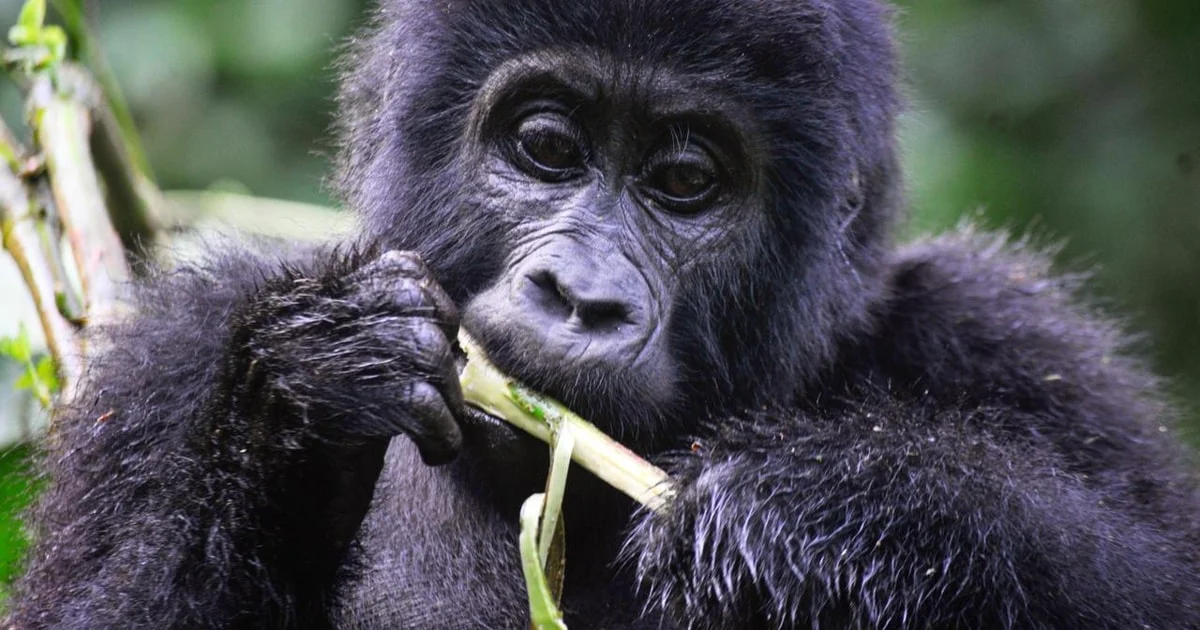
The gorilla habituation experience is Uganda’s answer for travelers who feel one hour with a wild gorilla family is not enough. The standard gorilla trekking permit grants one hour with a fully habituated group. The Gorilla Habituation Experience (GHE) lets you spend up to four hours in the forest. You spend this time with rangers and researchers. You observe a gorilla family still being trained to tolerate human presence.
Below, I break down the current gorilla habituation permit cost. I also explain exactly where to book it. You will learn what a habituation day looks like. Finally, I explain whether it is worth the extra investment over a standard trek.
What Is the Gorilla Habituation Experience?
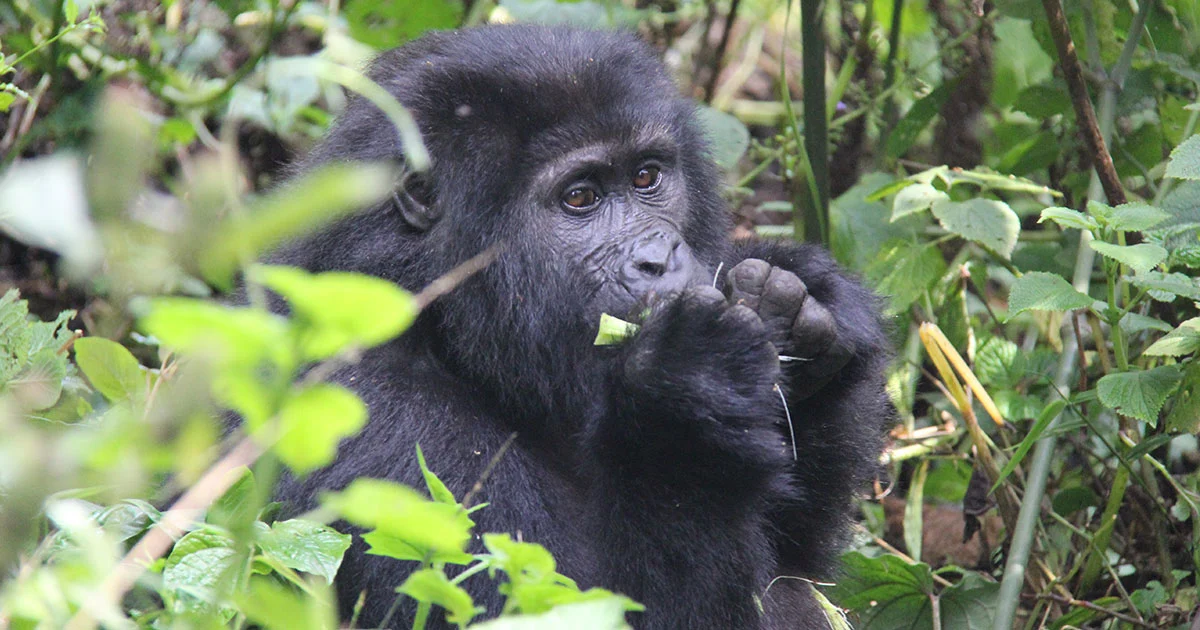
Gorilla habituation is the multi-year process by which Uganda Wildlife Authority (UWA) rangers, trackers, and researchers accustom a wild gorilla family to human presence, so it can eventually be opened up for standard one-hour tourist treks. The process typically takes two to three years.
The Gorilla Habituation Experience allows a maximum of four visitors per day to join that research team in the forest and observe a semi-habituated family for up to four hours, far longer than the one hour permitted on a normal trek. This experience is unique to Uganda; it is not offered in Rwanda or the Democratic Republic of Congo.
Gorilla Habituation Experience Cost 2026
| Permit type | Price (Foreign Non-Resident) | Encounter length |
| Standard gorilla trekking permit | $800 (peak) / $600 (low season) | 1 hour |
| Gorilla habituation permit | $1,800 (as of 1 July 2026, was $1,500) | Up to 4 hours |
| Foreign resident, standard trek | $700 (peak) / $500 (low season) | 1 hour |
The gorilla habituation permit price rose from USD 1,500 to USD 1,800 per person for foreign non-residents on 1 July 2026, following a Uganda Wildlife Authority tariff revision. If you booked before that date at the old rate, your permit remains honored, but any gorilla habituation experience booking made from mid-2026 onward should budget for the new USD 1,800 figure.
The standard one-hour gorilla trekking permit remains unchanged at USD 800 (or USD 600 in the April, May, and November low season).
Gorilla Habituation Experience vs Standard Gorilla Trekking
| Feature | Gorilla Habituation Experience | Standard Gorilla Trekking |
| Price (foreign non-resident) | $1,800 | $800 ($600 low season) |
| Time with gorillas | Up to 4 hours | 1 hour |
| Group size limit | 4 visitors per family | 8 visitors per family |
| Location | Rushaga sector only | Buhoma, Ruhija, Rushaga, Nkuringo |
| Best suited for | Photographers, repeat visitors | First-time trekkers, larger groups |
The core trade-off is simple: the gorilla habituation experience costs USD 1,000 more per person than a standard trek, but it buys you four times the encounter length, a maximum group of four instead of eight, and a far more intimate, research-style morning in the forest.
For photographers, documentary-style travelers, and repeat visitors who have already done a standard gorilla trekking trip, the habituation permit is usually worth the premium.
Where Is the Gorilla Habituation Experience Located?
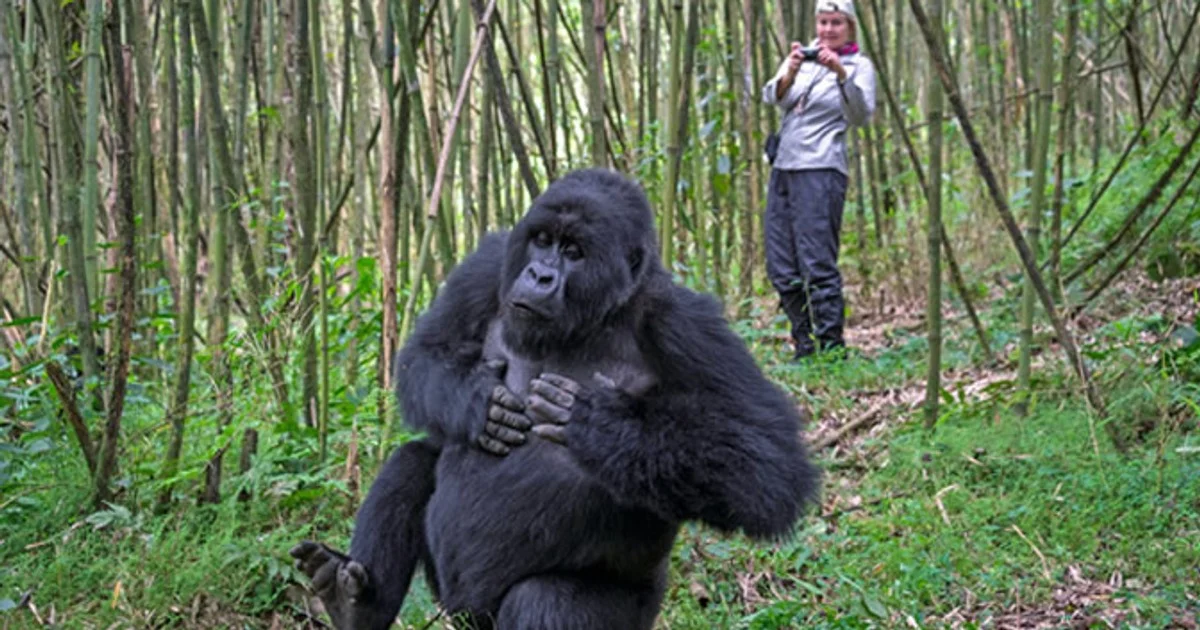
The Gorilla Habituation Experience is currently only offered in the Rushaga sector of Bwindi Impenetrable National Park, in southwestern Uganda. Rushaga is also home to the largest number of fully habituated families available for standard trekking, so it is easy to combine both a habituation morning and a standard trek in the same sector if your itinerary allows extra days.
How the Gorilla Habituation Experience Works
Your gorilla habituation day begins with a briefing at the Rushaga park headquarters at 7:00 a.m., roughly an hour earlier than a standard gorilla trek briefing, because the semi-habituated families tend to range further into the forest. A ranger guide, an armed security escort, and the resident researcher team lead your small group of four visitors, no more, toward the family’s last known location from the previous evening.
Once you find the gorillas, you may stay with them for up to four hours instead of the standard sixty minutes, observing feeding, nesting behavior, and interactions that standard trekkers rarely get enough time to witness.
- Group size capped at 4 visitors per day, per family, far smaller than the 8-person limit on standard treks.
- Encounter length up to 4 hours, versus 1 hour on a standard gorilla trekking permit.
- Minimum age of 15, the same rule that applies to standard gorilla trekking in Uganda
- Only available in Bwindi’s Rushaga sector, not in Buhoma, Ruhija, or Nkuringo
Fitness Requirements for the Gorilla Habituation Experience
Because a gorilla habituation trek can run several hours longer than a standard trek, and semi-habituated families often range into steeper, less-trodden parts of the forest, this experience demands a higher baseline fitness level than standard gorilla trekking. Hiring a porter is strongly recommended, and travelers with knee, hip, or cardiovascular concerns should discuss the sector’s terrain with their tour operator before booking.
Best Time to Book the Gorilla Habituation Experience
With only four permits issued per family per day across a handful of habituation-eligible families in Rushaga, availability is tighter than for standard trekking. Peak season months, June through September and December through February, sell out gorilla habituation permits three to six months in advance. Because the low-season trekking discount does not currently extend to habituation permits, there is no equivalent low-season saving here; booking early for your preferred date matters more than chasing a seasonal discount.
Who Should Book the Habituation Experience vs a Standard Trek
The Gorilla Habituation Experience is best suited to repeat gorilla trekkers, wildlife photographers who need more shooting time, and travelers who specifically want a research-style, small-group encounter. First-time visitors on a tighter budget, or those traveling with a larger group of friends or family, are usually better served by a standard gorilla trekking permit, which is USD 1,000 cheaper per person and still delivers the same life-changing first encounter with a silverback and his family.
How to Book Your Gorilla Habituation Permit
- Decide your travel dates at least 3-6 months ahead, especially for June-September and December-February.
- Book through a licensed Uganda tour operator, since foreign non-residents can no longer purchase permits directly from UWA.
- Confirm your operator is quoting the current USD 1,800 rate, not the outdated USD 1,500 figure.
- Pair your habituation morning with a Bwindi lodge stay in or near the Rushaga sector to minimize transfer time.
- Ask about combining the experience with chimpanzee tracking in Kibale or a Queen Elizabeth National Park game drive for a fuller itinerary.
Planning a 2027 gorilla habituation trip? Lock in your Rushaga sector date early; permits for the busiest 2027 peak-season weeks are already being reserved by tour operators on behalf of clients.
Contact Valiant Safaris to book your Gorilla Habituation Permit today.

Frequently Asked Questions
How much does the gorilla habituation experience cost in Uganda?
The current price is USD 1,800 per person for foreign non-residents, following a tariff increase from USD 1,500 that took effect on 1 July 2026.
Where can I do the gorilla habituation experience?
Only in the Rushaga sector of Bwindi Impenetrable National Park in southwestern Uganda. It is not available in Rwanda or DR Congo.
How long does the gorilla habituation experience last?
Up to four hours with the gorilla family, compared with one hour on a standard gorilla trekking permit.
Is the gorilla habituation experience worth the extra cost?
For photographers, repeat visitors, and travelers who want a smaller, research-style group, most guides consider it worth the USD 1,000 premium over a standard trek. First-time visitors on a budget often do just as well with a standard permit.
How many people can join a gorilla habituation permit per day?
A maximum of four visitors per gorilla family per day, half the eight-person limit on standard gorilla trekking permits.
Do I need to be fitter for the gorilla habituation experience than standard trekking?
Yes. Longer encounter times and more remote family locations in Rushaga sector mean a higher baseline fitness level is recommended, and hiring a porter is a good idea.
Book Your Gorilla Habituation Experience with Valiant Safaris
Ready to book the Gorilla Habituation Experience or compare it against a standard gorilla trekking safari? Tell us your travel dates and group size, and we will confirm current permit pricing, secure your Ruwenzori sector booking, and build a full Uganda itinerary around it within 24 hours.
Contact: Email us or WhatsApp +256-704-613919
Whichever you choose, the gorilla habituation experience and the standard gorilla trekking permit both deliver the same core reward: a face-to-face encounter with one of the rarest great apes on Earth, in the misty forests of Bwindi.

Senior Safari Planner, Valiant Safaris
Joseph grew up in Uganda, with the country’s national parks woven into his childhood. That early connection to the wild set the course for a career now spanning nearly two decades in East African tourism.
After completing his degree in Tourism Management at Makerere University, Joseph spent a decade with several of Uganda’s leading tour operators, building an intimate knowledge of the region’s parks, wildlife, and cultures long before he joined Valiant Safaris in 2017. In the years since, he has personally planned more than 400 gorilla treks experience spanning every budget tier, with particular expertise in curating polished, thoughtful journeys for luxury and top mid-range travelers from North America, Europe and the rest of the world.
As Senior Safari Planner, Joseph specializes in gorilla trekking, wildlife safaris, authentic cultural encounters, and farm & community tours, alongside adventure and sustainable travel experiences across Uganda, Rwanda, Tanzania, Kenya, Burundi, and the Democratic Republic of Congo. His approach favors depth over checklist tourism, taking travelers beyond the well-worn trail to the East Africa most visitors never get to see.
For guests planning a safari with Joseph, the result is more than a well-organized trip. It’s a journey shaped by someone who has spent a lifetime learning this land.


