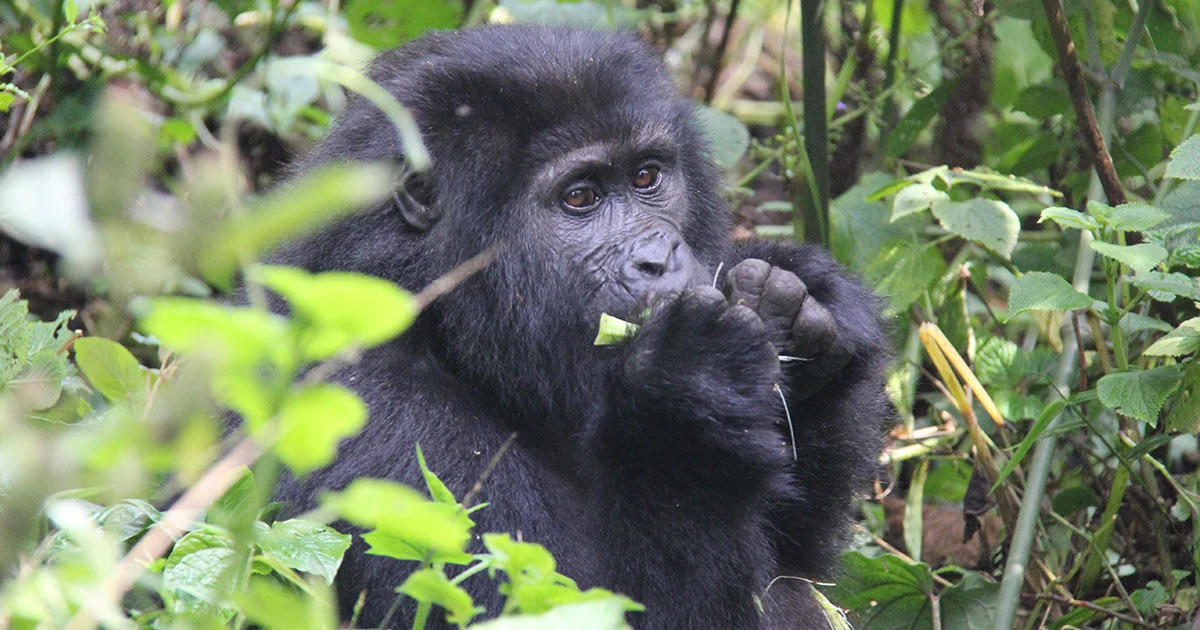
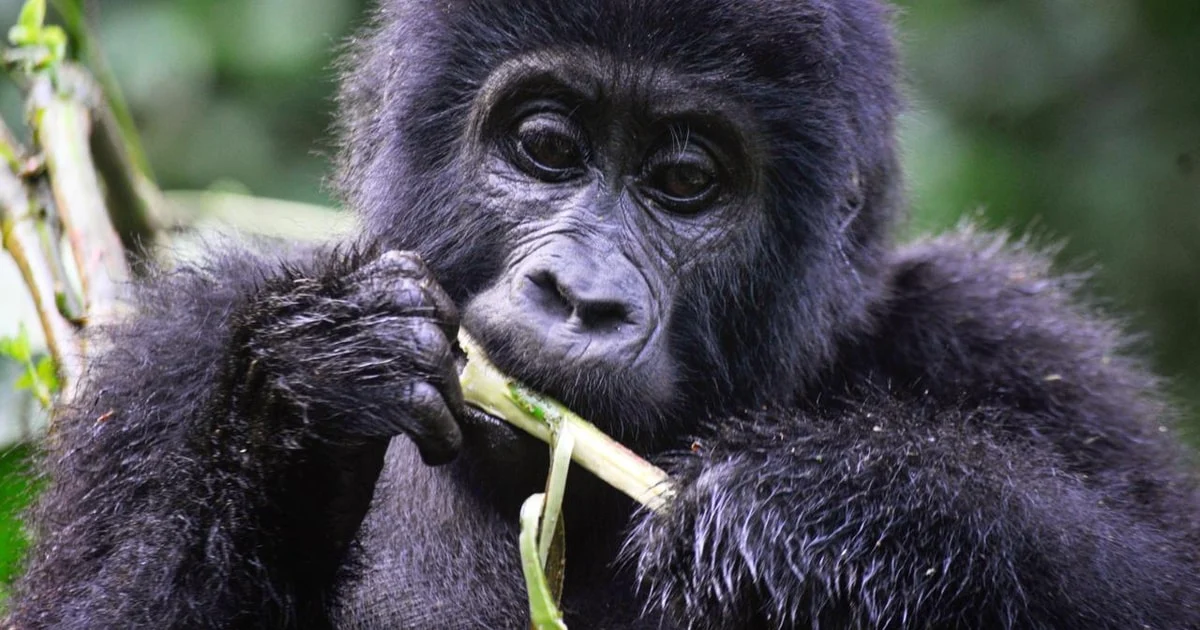
There are few experiences on Earth that match the thrill of meeting a family of mountain gorillas in their natural habitat. Deep in the Tropical rainforests of Bwindi Impenetrable National Park and Mgahinga Gorilla National Park, travelers are invited into a world where mist rolls over ancient trees, the forest hums with life, and human curiosity meets wild intelligence in a single, soul-stirring glance.
A gorilla trekking adventure in Uganda is more than a wildlife encounter. It’s a conservation journey, a cultural experience, and a personal pilgrimage into one of Africa’s last true wildernesses. But to make the most of it, you must prepare properly and understand the golden rules that govern this extraordinary experience.
This complete guide walks you through everything you need to know, from what to pack for gorilla trekking in Uganda, to the official guidelines, etiquette, and expert tips that ensure both your safety and the gorillas’ protection.
Why Gorilla Trekking in Uganda Is a Life-Changing Experience
Uganda is home to over half of the world’s remaining mountain gorillas, mostly found in the UNESCO World Heritage–listed Bwindi Impenetrable Forest and the volcanic slopes of Mgahinga Gorilla National Park.
Each trek leads you into dense, misty jungle terrain, guided by rangers and trackers who follow fresh gorilla traces, bent vegetation, droppings, and distant grunts echoing through the forest. When you finally meet them, a silverback surrounded by playful juveniles and nurturing mothers , it’s a moment that takes your breath away.
For many travelers, this isn’t just a safari; it’s a spiritual encounter with nature. But before you step into the jungle, preparation and awareness are key.


What to Pack for a Gorilla Trekking Adventure in Uganda
Packing smartly is one of the most crucial parts of planning your Uganda gorilla trekking safari. The rainforest environment is humid, unpredictable, and physically demanding; so comfort, protection, and practicality come first.
1. Sturdy Waterproof Hiking Boots
A good pair of waterproof, ankle-high hiking boots is non-negotiable. The trails are often steep, muddy, and slippery, especially during or after rain. Choose boots with strong grip and ankle support.
Tip: Break them in before your trip to avoid blisters during your trek.
2. Lightweight, Breathable Clothing
The forest can be both cool and humid. Dress in moisture-wicking layers that you can easily adjust as temperatures change.
- Long-sleeved shirts and long trousers protect against stinging nettles, insect bites, and scratches.
- Opt for neutral earthy tones (khaki, brown, olive) that blend with the environment.
- Avoid camouflage patterns (restricted in Uganda) and bright colors, which can distract wildlife.
3. Rain Gear
Uganda’s rainforest climate means rain is possible any time of year. Pack a light, breathable rain jacket or poncho. Even during the dry season, short tropical showers are common and you’ll be grateful for quick protection.
4. Gardening Gloves
It may sound strange, but gardening or trekking gloves are a secret weapon. They protect your hands as you grab branches or vines for balance and help avoid blisters or cuts.
5. Daypack with Rain Cover
Carry a light, waterproof backpack for essentials such as:
- Drinking water (at least 2 liters)
- Packed lunch (provided by your lodge)
- Sunscreen and insect repellent
- Camera gear and extra batteries
- Light first-aid kit
Choose a pack with comfortable, padded straps, you’ll appreciate it after a few hours on steep trails.
6. Insect Repellent and Sunscreen
Even beneath the canopy, mosquitoes and other insects thrive. Use a DEET-based repellent and reapply throughout the day. A high-SPF sunscreen is also essential for times when you’re exposed to the sun.
7. Gaiters or Long Socks
To keep ants and moisture out, tuck your pants into long socks or wear gaiters. This simple trick saves you from unpleasant surprises on the trail.
8. Camera and Binoculars
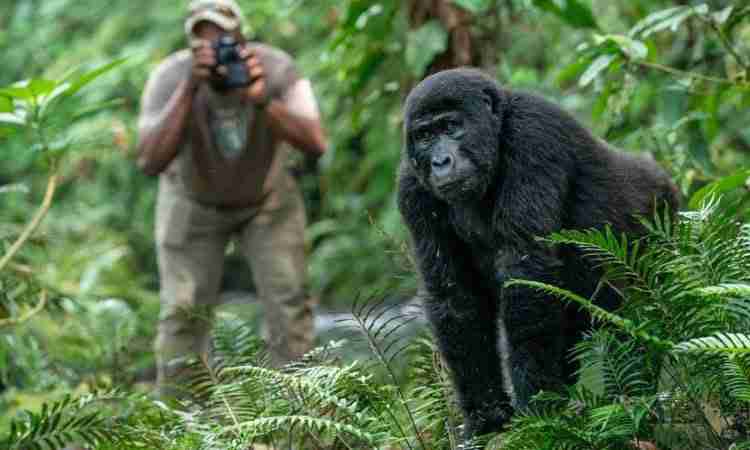
You’ll want to capture every moment, but respectfully. Bring a camera with a good zoom lens (70–200mm) since you can’t use flash.
A pair of binoculars also enhances your experience, especially for birdwatching, Uganda’s forests host over 350 bird species.
9. Reusable Water Bottle and Hydration Bladder
Plastic waste is not allowed in Uganda’s parks, so pack a reusable water bottle or hydration bladder to stay eco-conscious and hydrated.
10. Personal Medications and First Aid
Include essentials like pain relievers, antihistamines, blister plasters, and any prescription medicines. Don’t forget hand sanitizer and wet wipes for quick clean-ups.
11. Walking Stick and Porter Support
Walking sticks are provided at the trek’s start and they’re invaluable for balance on muddy slopes. You can also hire a local porter (for around USD 15–20) to carry your bag. It lightens your load and supports the local community.
12. Warm Layers for Evenings
Bwindi’s high altitude means evenings can get chilly. A light fleece or sweater will keep you warm after a long trek.
13. Travel Documents
Always keep your passport, trekking permit, travel insurance, and emergency contacts easily accessible. A waterproof pouch is ideal.
Packing right means you’ll trek comfortably, protect the environment, and fully immerse yourself in this extraordinary experience.
Gorilla Trekking Guidelines and Conservation Rules
Gorilla trekking in Uganda is a strictly regulated conservation activity designed to protect the endangered mountain gorillas and ensure visitors’ safety. Understanding and respecting the Uganda Wildlife Authority (UWA) guidelines is essential for a successful and responsible trek.
1. Secure a Valid Gorilla Permit
Every trekker must have a gorilla trekking permit issued by Uganda Wildlife Authority. As of 2025, the fee is USD 800 per person for foreign non-residents.
Permits are limited only a 8 are issued per gorilla family each day, so book at least 3 to 6 months in advance, especially during the high season (June–September and December–February).
Your tour operator typically arranges the permit and ensures you’re allocated a gorilla group suited to your fitness level.
2. Health and Hygiene Regulations
Because gorillas share 98% of their DNA with humans, they can easily contract human illnesses. To safeguard them:
- Do not trek if you have flu, cough, or any infectious illness.
- Maintain a minimum distance of 10 meters (33 feet) from the gorillas.
- Wear a face mask during your encounter (mandatory).
- Avoid sneezing or coughing toward the gorillas.
- Only use designated toilets during the trek, never relieve yourself in the forest unless responsibly directed by your guide.
These strict rules help protect the gorillas’ fragile health and keep conservation efforts sustainable, also to protect you from picking any infection from the gorillas.
3. Minimum Age Requirement
The minimum age for trekking is 15 years. This ensures participants are physically capable and responsible enough to follow ranger instructions.
4. Group Size and Time Limit
Each gorilla family can be visited by a maximum of eight people per day, and the time allowed with the gorillas is strictly one hour.
This limited contact minimizes disturbance and gives you a private, intimate viewing experience, a moment you’ll never forget.
5. Maintain a Respectful Distance
Even though habituated, gorillas remain wild animals.
- Never attempt to touch or feed them.
- If a gorilla approaches, stay calm, lower yourself slowly, and avoid direct eye contact.
- Do not run, follow your ranger’s lead.
This is their home; we are simply visitors.
6. Photography Rules
- Turn of Flash, No flash photography is allowed, it irritates the gorillas.
- Keep camera sounds low and movements gentle.
- Use a zoom lens to capture close-up shots without intrusion.
- Prioritize being present; no photo can truly capture the magic of that hour.
7. Noise and Behavior Etiquette
The forest thrives in silence. Speak in hushed tones, walk softly, and respect the peace of the wild. Loud noise or sudden movement can stress gorillas or other animals.
Observe quietly; let the moment speak for itself.
8. Stay with Your Group
Do not stray from your assigned group. Uganda’s forests are dense and disorienting. Staying close ensures safety and minimizes environmental disturbance.
Your guides are skilled trackers and armed rangers who know how to manage both wildlife and terrain.
9. Physical Fitness and Trek Preparation
Gorilla trekking can range from easy to strenuous, depending on where the gorilla families are located that day.
Prepare by engaging in light exercise or hiking before your trip. Expect 2–6 hours of walking through uneven terrain, steep inclines, and mud.
Pro tip: Hire a porter it’s one of the best ways to enjoy your trek comfortably while supporting the local community.
10. Respect the Environment
The rainforest ecosystem is fragile.
- Do not litter everything you carry in must come out.
- Avoid trampling plants or carving new paths.
- Stick to the designated trails.
Your minimal footprint ensures the forest remains pristine for future generations.
11. Observation Experience
Finding gorillas may take anywhere from 30 minutes to several hours. Trackers go ahead early to locate the groups and guide rangers via radio. When you arrive, you’ll watch them feed, play, and interact for exactly one hour.
This is a privileged encounter, not a show observe quietly, take measured photos, and soak in every second.
12. Tipping Etiquette
Tipping is a heartfelt way to show appreciation for your team’s effort:
- Rangers/Guides: USD 10–20 per person
- Porters: USD 10–15 per trek (carry more cash, the work they do for you may be worthy tipping 100 times)
- Trackers: USD 5–10 per person
Hand tips discreetly and directly it’s a kind gesture that supports local livelihoods.
13. The Gorilla Habituation Experience
For travelers seeking a deeper immersion, Uganda offers the Gorilla Habituation Experience in Bwindi’s Rushaga sector.
You spend up to four hours with a semi-habituated gorilla family alongside researchers and trackers a rare opportunity to witness gorillas gradually getting accustomed to human presence.
The permit costs USD 1,500, and only four visitors are allowed per day. It’s ideal for photographers or conservation-minded adventurers.
14. Certification and Community Impact
After your trek, the Uganda Wildlife Authority awards a certificate of participation, a meaningful keepsake.
Your permit fee contributes directly to gorilla conservation, ranger protection, and community development projects such as schools and health clinics.
By trekking responsibly, you’re actively protecting the species and empowering local people who live alongside them.

Expert Tips for a Seamless Gorilla Trekking Experience
- Book early: Permits are limited and highly sought after.
- Start your trek early: Morning hours offer the best weather and lighting.
- Stay in a lodge close to your trekking point: Bwindi has several sectors (Buhoma, Rushaga, Ruhija, Nkuringo). Staying near your sector minimizes transfer time.
- Expect varied weather: Even in the dry season, rain is common.
- Pack light: Carry only essentials during your trek.
- Hire a porter: You’ll enjoy the experience more and help the local economy.
- Disconnect: Put your phone away and connect with the forest, it’s a rare chance to be fully present.
Section 4: The Luxury Side of Uganda’s Gorilla Safaris
For travelers seeking exclusivity, Uganda offers a range of luxury lodges and boutique eco-retreats tucked deep within Bwindi’s forested ridges.
Imagine sipping freshly brewed Ugandan coffee as morning mist curls over the treetops, or relaxing by a fire after your trek, listening to distant forest calls.
Top luxury options include:
- Sanctuary Gorilla Forest Camp (Buhoma) – intimate and within the park boundary.
- Clouds Mountain Gorilla Lodge (Nkuringo) – stunning volcano views, personalized service.
- Four Gorillas Lodge (Rushaga) – a sustainable haven near habituation trails.
Each blends eco-conscious design with comfort, offering private cottages, fine dining, and immersive forest views. For luxury travelers, it’s not just a trek it’s a transformative escape into Uganda’s untamed heart.
Final Thoughts
Gorilla trekking in Uganda is a rare journey that touches something primal within us, a reminder of how deeply human we remain when we meet our wild relatives eye to eye.
By packing thoughtfully, following the gorilla trekking guidelines, and traveling responsibly, you become part of a larger story one where conservation and tourism coexist harmoniously.
The forests of Bwindi and Mgahinga are not just destinations; they are sanctuaries of life, hope, and renewal. So lace up your boots, carry your sense of wonder, and step into the mist. Uganda’s gorillas are waiting and they’ll leave a mark on your heart forever.