
By Joseph Wejuli, Senior Safari Consultant at Valiant Safaris. I’ve been organizing gorilla treks since 2012, and honestly? This job never gets old.
Last Tuesday morning, I’m sipping coffee at the lodge when my phone buzzes. WhatsApp from Sarah, a teacher from Seattle who’d just gotten home. “Joseph, I ugly-cried in front of a silverback. Mascara everywhere. Didn’t even care. Best day of my entire life.”
I read that thing five times, grinning like an idiot.
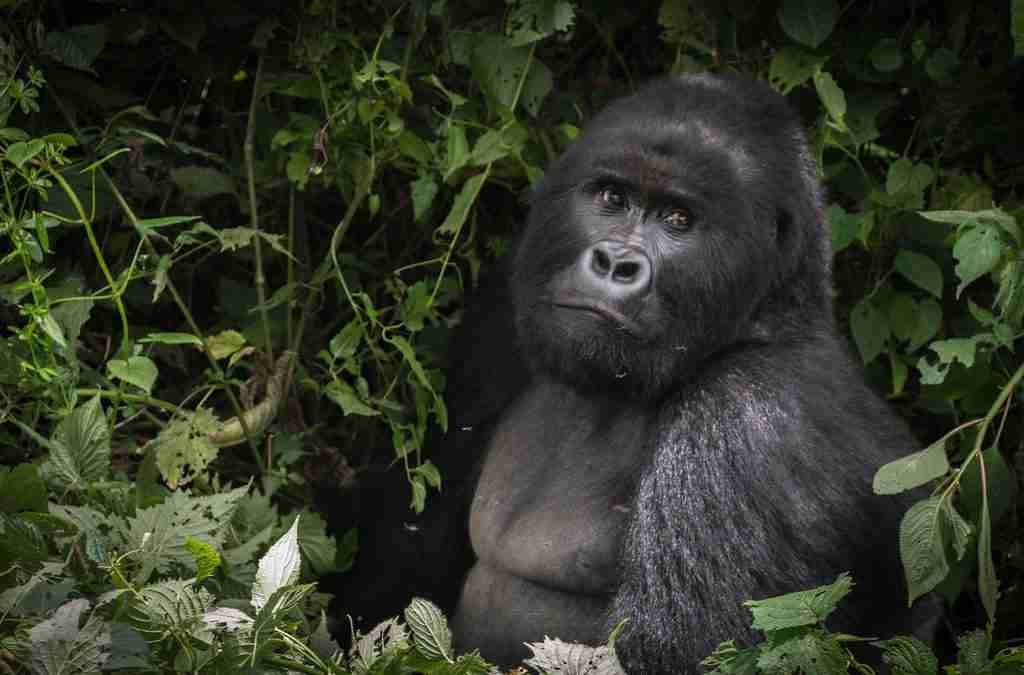
Here’s what happens on every gorilla trek Uganda: there’s this moment I live for. When my clients first lock eyes with a silverback in the misty forests of Bwindi. Everything goes silent. Time just stops. You’re standing face-to-face with one of our closest relatives in the animal kingdom, and suddenly you understand: this isn’t just another safari.
I’ve watched a 6’4″ former Marine completely melt when a baby gorilla grabbed his boot. Seen a jaded fashion photographer from Milan woman who’d shot everything from Paris runways to war zones, delete every single photo on her phone except the gorillas. “Nothing else matters anymore,” she told me at dinner.
That’s Uganda gorilla trekking. It’s messy, emotional, and completely life-changing.
Affordable, Pristine, and Conservation-Focused
Look, I grew up in Kabale, just an hour from Bwindi Impenetrable National Park. My grandmother used to tell these stories about “the forest spirits”—mysterious creatures living in the mist. What we now know are mountain gorillas. When I became a guide in 2012, taking tourists to see these “spirits” felt completely surreal. Now, after 400+ treks and 13 years of doing this? I still get goosebumps every single time.
You’re probably sitting there wondering: Is gorilla trekking in Uganda really worth the money? How hard is it actually? Will I definitely find the gorillas? What if I’m not fit enough? Can I handle the altitude?
Let me answer everything based on real, boots-on-the-ground experience, including all the stuff other tour operators won’t tell you. Like how badly your legs will genuinely hurt the next day. Why you should absolutely hire a porter even if you’re on a tight budget. And that time I had to help carry a lovely 68-year-old British lady back down the mountain because she’d told us she was “quite fit” at the briefing.
(Her idea of fitness was mall walking. But she got her gorilla hour and still emails me photos every Christmas, so worth it.)

Why Uganda Beats Rwanda for Gorilla Trekking
Sure, our gorilla permits cost $800 versus Rwanda’s $1,500, that’s $700 savings right there. But price isn’t why I’m passionate about Uganda gorilla trekking.
We have over 459 mountain gorillas living across Bwindi Impenetrable Forest and Mgahinga, more than half the world’s population. When I started guiding in 2012, we had maybe 380 gorillas. Today? Population’s up 20%. That’s conservation actually working.
But here’s what makes Uganda special: it’s rawer, wilder, more authentic. In Rwanda, trails are manicured and everything feels… orchestrated. In Uganda? Brother, you’re going to slip in the mud. You’ll grab thorny branches. Your “luxury” trek still involves getting humbled by nature. And that’s exactly the point.
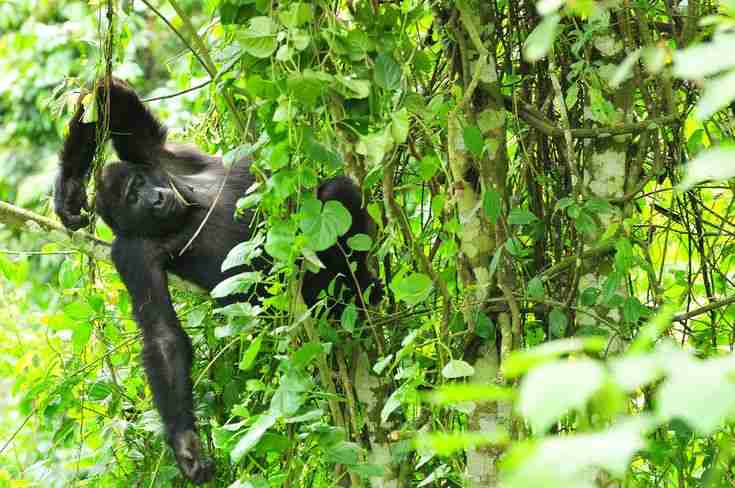
Three months ago, I guided a German surgeon super analytical type. During the trek, a juvenile gorilla swung from a branch right above her, looked down, and made this playful grunting sound. She completely lost it. Later, she told me, “I spend my days in sterile operating rooms. I forgot what it felt like to be… human.”
That’s what responsible wildlife encounters do. They reconnect you with something essential. And our strict gorilla trekking guidelines protect these endangered mountain gorillas while giving you that profound experience. We wear masks (gorillas catch human diseases easily). We stay 7 meters back. Only 8 people per family per day. One hour maximum.
Where to Go: Bwindi vs. Mgahinga
Bwindi Impenetrable National Park is where 95% of gorilla trekking happens. It’s split into four sectors, and choosing the right one makes a huge difference:
Buhoma Sector is where I send first-timers, especially Americans and Europeans over 50. The trails are slightly less brutal. You’ve got the best lodges, including Sanctuary Gorilla Forest Camp, where the food is genuinely excellent, actual French-trained chef.
Downside? Everybody wants Buhoma. Last December, I had a Canadian couple panic-messaging me because they’d waited until October to book Christmas permits. Rookie mistake.
Rushaga Sector has eight habituated gorilla families—the most of any sector. This is my secret weapon when Buhoma’s fully booked. The gorilla habituation experience happens here, too, where you get 4 hours with gorillas for a $1,500 permit. Worth every cent if you’re serious about photography.
Nkuringo Sector sits high—really high. My Fitbit once recorded 18 flights of stairs during an Nkuringo trek. If you’ve got dodgy knees, skip this one. But the views of the Virunga volcanoes? Absolutely stunning.
Ruhija Sector is for clients who hate crowds. Fewer tourists, more solitude, spectacular birdwatching. This is where I go on my days off.
Mgahinga Gorilla National Park gets overlooked, which annoys me. Yes, there’s only one habituated family. But Mgahinga offers something Bwindi can’t—volcano hiking combined with gorilla trekking. Plus, treks tend to be shorter and less punishing.

Best Time to Go (Real Talk)
June to September and December to February are peak seasons. Trails are less muddy, photography’s better, weather’s more predictable. But “dry season” in a rainforest is relative—I’ve done August treks where we got soaked. Pack rain gear regardless.
Peak season also means busier lodges, fully booked permits, and higher prices. If you’re flexible, early June or late September offers the best value, still mostly dry, fewer crowds.
March to May and October to November are rainy. Like, sliding-down-muddy-slopes-on-your-butt rainy. But the wet season has serious advantages:
- Fewer tourists (last April, we had a gorilla family entirely to ourselves)
- Lower prices (some lodges drop rates 20-30%)
- More dramatic scenery (the forest explodes in greenery)
- Better permit availability (I can usually book with 4-6 weeks’ notice)
My most popular Instagram posts? Clients covered head-to-toe in mud, grinning like maniacs.
The Real Cost (No BS)
Let me show you actual numbers from bookings last month:
| Item | Budget | Mid-Range | Luxury |
|---|---|---|---|
| Gorilla Permit | $800 | $800 | $800 |
| Accommodation (2 nights) | $120 | $400 | $1,400 |
| Transport | $200 | $300 | $740 (fly-in) |
| Meals | $50 | $80 | Included |
| Porter + Guide Tips | $50 | $80 | $120 |
| TOTAL | $1,220 | $1,660 | $3,060 |
Real example: A Swiss couple, early 40s, chose mid-range. Three days total using our Kigali route. Total for 2 people: $3,320. They saved $1,400 compared to Rwanda.
Money-saving tips:
- Travel wet season (April-May or November) for 20-30% lower lodge rates
- Drive from Kigali instead of Entebbe (saves 5-6 hours)
- Stay outside the park (30-40% cheaper, just 30-45 minutes away)
- Book well in advance for better rates
Splurge-worthy upgrade: Flying Entebbe to Kihihi adds ~$370 per person but cuts drive time from 8-9 hours to 45 minutes. When you’re already paying $800 for the permit, most of my European and North American clients choose the fly-in option.
What Actually Happens During the gorilla trek uganda
You’ll wake at 6 AM (earlier if your lodge is far from park headquarters). By 7:30 AM, you’re at the briefing with 40-60 other trekkers. A ranger explains safety and etiquette, then assigns you to a gorilla family based on your fitness level.
Here’s a secret: when they ask about fitness, be honest. I once had a lovely lady, late 60s, who claimed she was “quite fit.” Her idea of exercise was mall walking. She got assigned to a family requiring a 5-hour trek. It wasn’t great. I paid extra porters to basically carry her back.
Trek difficulty reality check:
Best case (20% of treks): 45-minute easy walk, find gorillas in a clearing. Everyone’s happy.
Average (60% of treks): 2-3 hours through moderately challenging terrain. Steep sections, muddy paths, thick vegetation. You’ll breathe hard, but it’s manageable.
Worst case (20% of treks): 5-6 hours of grueling hiking through steep, muddy, stinging-nettle-filled jungle. You’ll question your life choices. Then you find the gorillas and forget everything.
I’ll never forget this trek last year with a Danish group. We hiked SIX HOURS. One marathon runner was cramping. Another woman sat down and announced she couldn’t continue. The rangers found the gorillas 50 meters ahead. She magically recovered and practically sprinted.
Then comes the magical hour with the gorillas. Time warps. An hour feels like 10 minutes. You’ll watch juvenile gorillas wrestling like human kids. Mothers nursing infants. The silverback maintains order with low grunts.
When that silverback stands up fully—200 kilograms of pure muscle—you realize just how massive these guys are. Sometimes they completely ignore you. Other times, they’re curious and approach closer (stay calm when this happens).
In 13 years, I’ve never seen an actual attack. Mock charges? Sure. Silverbacks sometimes do intimidation displays—charging forward then stopping short. Terrifying? Absolutely. Dangerous? Not if you follow the rangers’ instructions.

What to Pack (From Hard-Won Experience)
Must-haves:
- Waterproof hiking boots (broken in! New boots = blisters = misery)
- Long pants (zip-offs work great; jeans are terrible when wet)
- Long-sleeved moisture-wicking shirt
- Rain jacket (lightweight, breathable)
- Gardening gloves ($2 at Kampala markets) for grabbing vines
- Gaiters (keep mud out of boots—total game-changer)
Colors matter: Olive, khaki, brown, forest green. Avoid bright colors or white. Gorillas are used to earth tones.
Camera setup:
- DSLR or mirrorless with good low-light performance (ISO 1600-3200 capability)
- 24-70mm or 70-200mm zoom lens
- NO flash (forbidden and ruins everything anyway)
- Extra batteries (humidity drains them fast)
- Waterproof camera bag
Other essentials:
- Small daypack (30L max)
- 2 liters of water minimum
- Energy snacks (trail mix, protein bars)
- Insect repellent (100% DEET for malaria zones)
- Ziplock bags (keep phone/wallet dry)
Pro tip: Pack a complete change of clothes in your daypack. After the trek, you’ll want to swap out muddy, sweaty gear immediately.
Three Critical Insider Tips
1. Hire a Porter (Seriously)
Look, I’m going to be direct: hire a porter. Every single time. It’s $15-20 and absolutely worth it.
“But Joseph, I’m fit!” Great. Hire one anyway. They carry your daypack, offer a steadying hand on steep sections, and help pull you up muddy slopes. Plus, most porters are subsistence farmers earning $2-3 per day. Your $20 feeds a family for a week. That’s responsible tourism at its most direct.
I’m still Facebook friends with porters I met a decade ago. They become part of your trek story.
2. Start Training 6-8 Weeks Early
Real talk from someone who’s seen hundreds of unprepared trekkers suffer:
- Cardio: 30-40 minute walks, building up to 2-3 hour hikes weekly
- Leg strength: Squats, lunges, step-ups
- Core work: Planks (core stability prevents injuries)
- Practice hikes wearing your boots on uneven terrain
Mental preparation matters too. Accept that you will get muddy. It might be harder than expected. But the gorillas make EVERYTHING worth it.
3. Photography Advice That Actually Works
Camera settings for dim forests:
- ISO: Start at 1600, push to 3200 if needed
- Shutter speed: Minimum 1/250 for stationary gorillas, 1/500+ for moving ones
- Focus on gorilla eyes (conveys so much emotion)
- Shoot some photos, then PUT THE CAMERA DOWN
I’ve seen people experience the entire hour through a viewfinder and miss the actual connection. Shoot for 15-20 minutes, then just watch and absorb. Your memory matters more than the 47th slightly different photo.

Sample 3-Day Itinerary
Day 1: Land at Entebbe (or Kigali for a shorter drive). Drive to Bwindi, 8-9 hours from Entebbe, 3-4 hours from Kigali. Stop at the Uganda Equator for photos. Arrive at the lodge by evening. Early bedtime.
Day 2: Wake at 5:45 AM. Breakfast. Depart 7:00 AM for park headquarters. 7:30 AM briefing. 8:00 AM trek begins. Find gorillas (30 minutes to 6 hours). One magical hour with them. Return to the lodge. Celebrate.
Day 3: Optional Batwa cultural experience (highly recommend). Drive back to Entebbe/Kigali. Or extend with additional Uganda safaris—many clients add Queen Elizabeth for tree-climbing lions or Kibale for chimpanzees.
Why Conservation Matters
Twenty percent of every permit ($160 of your $800) goes directly to gorilla conservation. Last year, that funded 247 anti-poaching patrols, veterinary treatment for 6 injured gorillas, and 15,000+ native trees planted.
Beyond permits, your lodge fees, porter tips, craft purchases—everything contributes to making gorilla conservation economically valuable to local communities. When locals benefit from living gorillas, they become conservation’s strongest advocates.
I grew up hearing stories about human-wildlife conflict. Gorillas raided crops. Communities saw wildlife as threats. Tourism changed that equation completely. Now thousands of jobs exist porters, guides, lodge staff. Schools and clinics are tourism-funded. That’s responsible travel actually working.
FAQs for Gorilla Trek Uganda
How hard is gorilla trekking in Uganda?
Moderate to challenging. Treks range from 30 minutes to 6 hours through steep, muddy terrain. Basic fitness is sufficient, but preparation helps. The reward far exceeds the effort.
How early should I book gorilla permits?
Book 3-4 months in advance for dry season travel (June-September, December-February). Wet season permits can be booked 1-2 months ahead. Last-minute gorilla trekking permits in Uganda sometimes become available through cancellations.
How close can I get to gorillas?
Officially, 7 meters (23 feet). However, gorillas sometimes approach closer—they’re curious! If this happens, stay calm, crouch low, and avoid eye contact.
Is gorilla trekking safe?
Yes, extremely safe. Armed rangers accompany every group. Gorilla attacks are exceptionally rare when you follow guidelines. The biggest risks are slips on muddy trails and stinging nettles.
What should I wear for a gorilla trek?
Waterproof hiking boots, long trousers, long-sleeved shirt, rain jacket, gardening gloves, and gaiters. Earth-tone colors preferred. Come prepared to get muddy!
Is Uganda better than Rwanda for gorilla trekking?
Uganda offers more affordable permits ($800 vs. $1,500), more gorilla families, wilder forest experiences, and better value overall. Rwanda provides slightly easier access from Kigali. Both destinations offer unforgettable experiences.
Can children trek with gorillas?
Minimum age is 15 years. No exceptions. This protects young trekkers from challenging conditions and ensures groups move efficiently.
What if I don’t find the gorillas?
This is extremely rare (less than 2% of treks). If it happens, UWA offers a complimentary trek the following day. Trackers monitor gorilla movements continuously, making finding them nearly certain.
Do gorillas attack humans?
Attacks are exceptionally rare. Following your guide’s instructions keeps you safe. Mock charges (silverback bluff displays) sometimes occur but rarely result in contact.
Can I combine gorilla trekking with a safari in Uganda?
Absolutely! Uganda offers incredible Uganda safari and gorilla combo tours. Queen Elizabeth National Park (tree-climbing lions, elephants), Kibale Forest (chimpanzee tracking), and Murchison Falls pair perfectly with gorilla trekking.
Conclusion
After 13 years and 400+ treks, I can tell you: a gorilla trek in Uganda changes people. I’ve watched tough businessmen cry. I’ve seen skeptical teenagers become conservation advocates.
When that silverback looks into your eyes, you realize we’re all part of the same fragile ecosystem. You understand why conservation matters.
Uganda offers the most authentic, affordable, and meaningful gorilla trekking experience in the world. Gorilla trekking permits are priced at just $800, giving excellent value. The forests remain wild, pristine, and breathtakingly beautiful. Local communities greet every visitor with genuine warmth. And every trek contributes directly to the protection of endangered primates.
Ready to plan your adventure? Contact us. We’ll handle permits, accommodations, transport—everything. Let’s create your once-in-a-lifetime experience together.
The mountain gorillas of Bwindi are waiting.
Contact: info@valiantsafaris.com or WhatsApp +256-704-613919
Article last updated: November 2025. All prices verified with Uganda Wildlife Authority.
About the Author: Joseph Wejuli was born in Uganda and grew up visiting Uganda’s parks. After studying tourism management at Makerere University, he joined Valiant Safaris in 2017 after a decade of experience with top operators in the industry. He has organized over 400 gorilla treks. He specializes in North American and European travelers and loves showing visitors the Uganda that most tourists never see.

Senior Safari Planner, Valiant Safaris
Joseph grew up in Uganda, with the country’s national parks woven into his childhood. That early connection to the wild set the course for a career now spanning nearly two decades in East African tourism.
After completing his degree in Tourism Management at Makerere University, Joseph spent a decade with several of Uganda’s leading tour operators, building an intimate knowledge of the region’s parks, wildlife, and cultures long before he joined Valiant Safaris in 2017. In the years since, he has personally planned more than 400 gorilla treks experience spanning every budget tier, with particular expertise in curating polished, thoughtful journeys for luxury and top mid-range travelers from North America, Europe and the rest of the world.
As Senior Safari Planner, Joseph specializes in gorilla trekking, wildlife safaris, authentic cultural encounters, and farm & community tours, alongside adventure and sustainable travel experiences across Uganda, Rwanda, Tanzania, Kenya, Burundi, and the Democratic Republic of Congo. His approach favors depth over checklist tourism, taking travelers beyond the well-worn trail to the East Africa most visitors never get to see.
For guests planning a safari with Joseph, the result is more than a well-organized trip. It’s a journey shaped by someone who has spent a lifetime learning this land.


